Not every water heater problem is an emergency, but the ones that are get more expensive with every minute. The most common one is a ruptured tank. Because the cold inlet keeps feeding a failed tank, the leak does not end when the heater is empty; it can keep going until someone closes a valve, soaking subfloors, carpet, and ceilings below. Other urgent signs include a relief valve that is releasing water again and again, which means the tank is running too hot or at too much pressure, water at the tap that is suddenly scalding, and a rotten-egg odor near a gas unit. For households in Sugar Land, TX, any of these is worth a call right now rather than a wait-and-see approach.
Here is the order that keeps people safe. First, gas. If there is any smell of gas, get everyone out, leave light switches and outlets alone, and call the gas utility or 911 once you are outside; a water heater repair can wait until they clear the area. Next, the water. Turn the cold-water valve above the heater clockwise until it stops, or close the home's main shutoff if that valve will not budge. Then the heat source. Set a gas control to OFF, or kill the breaker on an electric model, but only if you can reach the panel without standing in water. A relief valve that is releasing water must never be blocked. With the heater isolated, call (281) 378-5220 and describe what you see.
A calm voice on the phone helps more than people expect. When you call (281) 378-5220, we help you confirm the water and energy are off, suggest what to move out of the water's path, and dispatch a technician as fast as the day allows, with a straight answer about timing. On arrival, the priorities are safety, diagnosis, and a clear explanation. Worn relief valves, weeping drain valves, rotted dielectric fittings, dead thermocouples, and failed elements are all common emergency causes, and we stock them so the fix rarely waits on an order. A tank that has corroded through is the exception, since nothing short of a new heater solves it, and we lay out those options honestly. Keep (281) 378-5220 handy so you have it before you need it in Sugar Land.
What homeowners call us about most is Water Heater Repair in Sugar Land. Start there if you're not sure what you need.
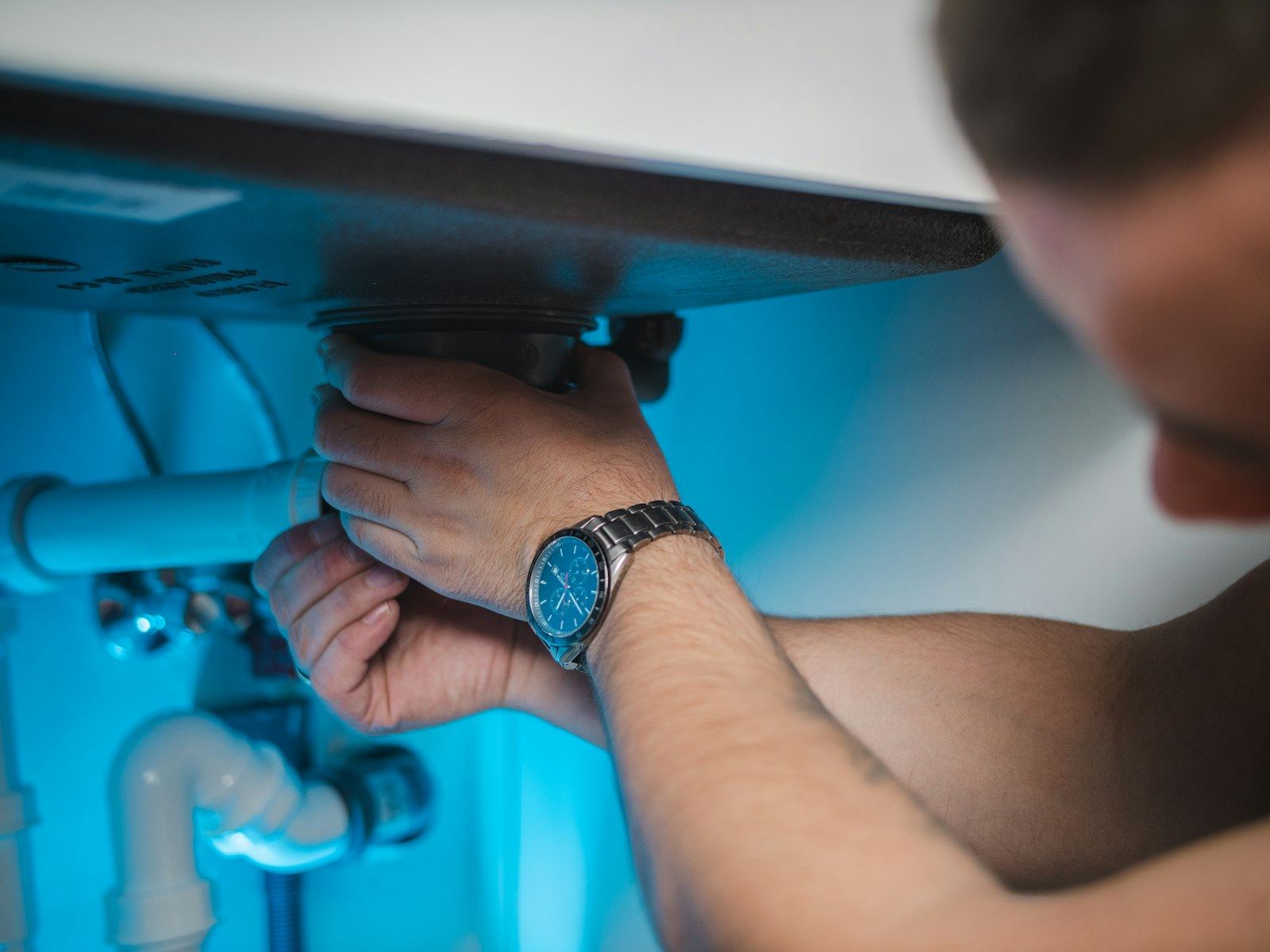
When to Call for Emergency Water Heater Repair
A heater that is starting to struggle rarely hides it for long, and the clues are easy to spot once you know them. Watch for these telltale signs that professional help is needed:
- Every tap running cold and the heater showing no signs of life
- Hot water far hotter than normal, a sign of a runaway thermostat or gas control
- Black soot or heat discoloration around the burner door or draft hood
- Violent rumbling or banging from the heater as it runs
- A T&P valve that releases water repeatedly instead of staying closed
- A rotten-egg smell near a gas water heater (leave first, and call the gas utility)
- A puddle under the tank that keeps growing
- An electric water heater that keeps tripping its circuit breaker
A Slow Leak Never Stays Slow
A little rust-colored water or a relief valve that drips now and then can be the first hint of a tank that is close to the end. A quick call to (281) 378-5220 gets a technician out to check it before it becomes an emergency.
No Hot Water? We Can Help.
Our experienced technicians are standing by to help.
Call (281) 378-5220 TodayEmergency Water Heater Repair FAQ
Why Hire a Professional for Emergency Water Heater Repair?
It is tempting to treat a leaking or dead water heater as a quick fix. In reality, you may be dealing with standing water beside 240-volt wiring, a gas supply and open burner a few inches from a puddle, and a tank of very hot water under pressure. The relief valve, if it is firing, is the last safeguard between an overheated tank and a violent failure, and plugging it is one of the most dangerous things anyone can do to a heater. Relighting a pilot while gas lingers, or forcing a rusted connection, can make things much worse. Leave, shut off, and call is the right sequence for anyone without the tools and training.
What does a professional add in the middle of an emergency? Certainty and safe sequencing. We verify the shutoffs, check for gas leaks with proper tools, and confirm the area is safe for electrical work. Then we find the root cause. A discharging relief valve often means high street pressure or no room for thermal expansion; a puddle might be a drain valve, a dielectric fitting, condensation, or a failed tank; a cold house may trace back to a thermocouple, an element, or a tripped high-limit switch. Each one has a different fix. We repair what can honestly be repaired, and when the tank is the problem, we explain your replacement options without pressure.
What to Expect From Our Team
Good water heater work comes down to a consistent routine, and ours starts with a real diagnosis instead of a guess. Here's a look at each step our team takes:
Safety Call & Shutoff Guidance
On the call, we check for any gas odor first, then guide you to the cold-water valve and the heater's gas control or breaker so the damage stops growing while help is on the way.
Secure the Area
A technician heads out as quickly as the schedule allows, with an honest arrival window. On site we verify water, fuel, power, and venting are safe before any diagnosis begins.
Find the Failure, Fix It
The source gets pinpointed before any part is replaced. Relief valves, drain valves, connectors, thermocouples, and elements travel with us, so most fixes happen the same visit.
Safe Restart
Restarting correctly matters. We fill the tank before power or gas returns, check fittings and the relief valve for leaks, verify draft on gas units, and leave the thermostat near 120F.
Prevention Tips That Actually Help
A few simple habits, like an annual flush and a quick look at the relief valve, can add years to a tank. Here's where to begin:
- Test the T&P valve annually; a valve that sticks or weeps afterward should be replaced
- Know where the heater shutoff and the main water valve are, and make sure everyone in the house does too
- Put the heater in a drain pan piped to a floor drain or the exterior where the setup allows
- Keep the thermostat near 120F to limit scalding and reduce strain on the tank
- A simple water sensor on the floor beside the tank can warn you hours earlier
- Store chemicals and flammables far from the burner, and keep the area around the heater uncluttered
- Flush sediment from the tank yearly, since buildup overheats the bottom and speeds corrosion
Comparing DIY and Professional Work
The line between a safe DIY check and a risky repair is usually the moment you need to open a gas fitting, a vent connection, or an electrical cover. Here's a comparison:
| Factor | DIY Attempt | Professional Service |
|---|---|---|
| Gas Safety | Lingering near a possible leak | Leak detector and soap test after the area is cleared |
| Stopping the Leak | Unsure which valve to close | Supply isolated fast, stuck valves handled safely |
| T&P Discharge | Valve ignored or blocked off | Root cause measured and corrected |
| Power & Water | Live wiring close to a flooded area | Power tested off and area made dry and safe |
| Finding the Cause | Replacing parts until the leak stops | Leak and failure point pinpointed |
| Result | Problem likely to return | Hot water back and connections proven dry |
Let's Get Your Hot Water Back
Cold showers and damp floors don't get better on their own. Sugar Land Water Heater can have a technician headed your way soon.
Call (281) 378-5220 NowEmergency Water Heater Repair Across the Sugar Land Area
Wherever you are in the area, the same experienced team shows up with the same parts and the same pricing. Find your community below.